
Bioplastic businesses grow
Portland’s upcoming ban on single-use plastic bags, which goes into effect in October, is one sign cities — and consumers — are moving away from petroleum-based plastic bags and food packaging. Growth in Oregon’s “biobased” food packaging industry — companies that use plant-based starches to manufacture bags, food containers, and tableware — is another.
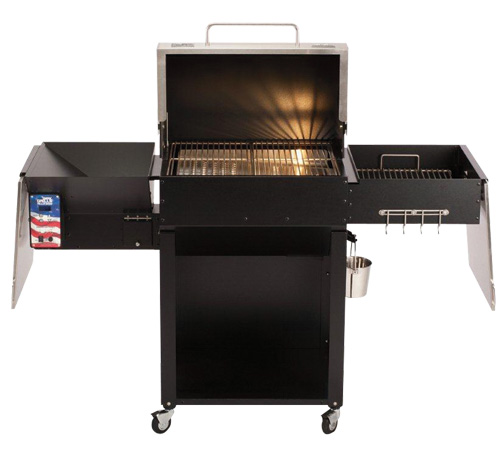 Bob and Kerrie Tucker expanded their precision metal shop, MAK Metals, from 6,000 to 30,000 square feet as the recession spread in 2008. They launched their first consumer product, MAK grills, in July 2009. Next they had to convince people to spend $2,000 on a barbecue in a terrible economy. It worked.
 Environmental officials are quick to assert that Oregon’s most expensive publicly funded cleanup is not failing from an environmental perspective. But from a real estate perspective, the $55 million cleanup of the former McCormick & Baxter creosote factory in North Portland has created complications.
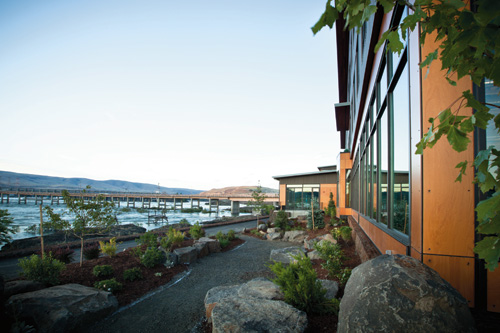 After about a decade of slow but steady growth, The Dalles continues to pursue a balanced model of development: gentrifying the area’s downtown with wine bars, cafés and streetscape improvements while also preserving industrial land necessary to attract employment.
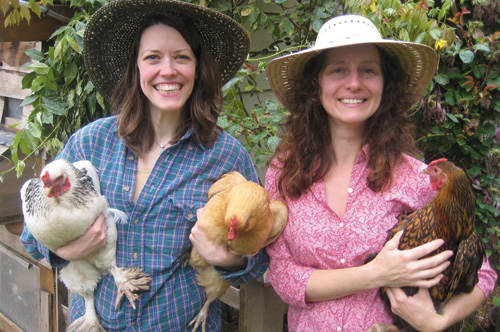 Portland is home to what may be the nation’s first chicken-sitting business: Just Us Hens.
 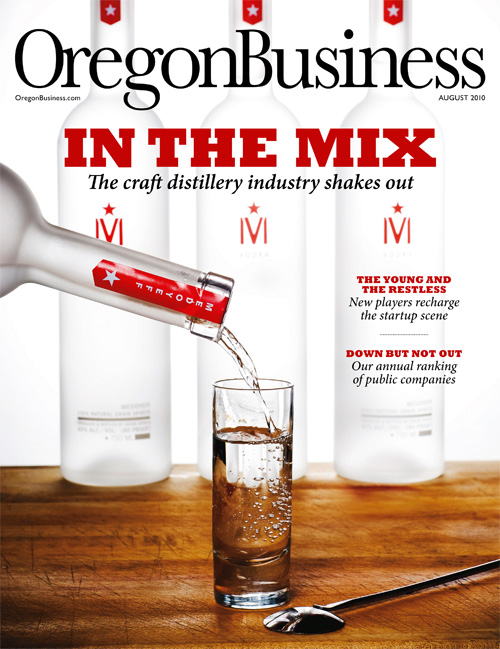 Oregon Business has been named one of the top three small business-to-business publications in the nation by the American Society of Business Publication Editors.
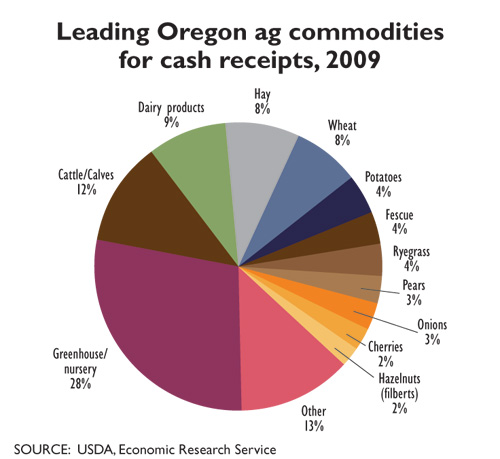 Farmers have been getting more for their goods. The July 2011 price index for all farm products was up 31% over 2010, with crops up 41% and livestock up 18%.
 As jobs remain tight, competition stays fierce and Hispanic labor grows, a carpenters union attacks fraud in the construction industry with controversial tactics.