

Klamath dam removal uncertain
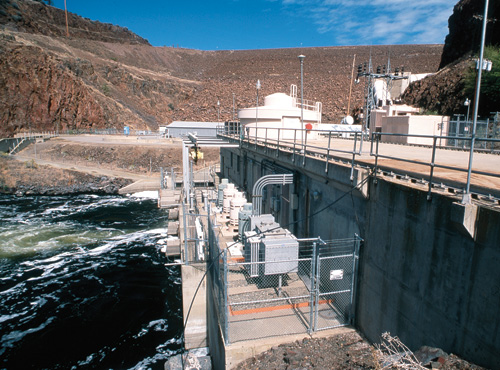 When the Klamath Restoration Agreements were signed in February 2010, the documents were hailed as a historic solution to decades of conflicts over water rights and environmental management in the Klamath Basin. Almost two years later, many stakeholders are still waiting to move forward with projects connected to the agreements, which include both the Klamath Basin Restoration Agreement and the Klamath Hydroelectric Settlement Agreement. At issue is whether legislators will authorize the agreements and allocate the $500 million for implementation.
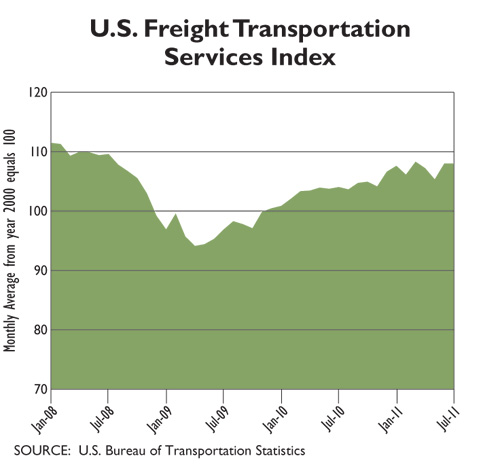 State tax receipts collected from truckers jumped 25.3% August year-to-date.
 The Portland Seed Fund turns the startup launch into a team sport, with the goal of doing a lot with a little.
 Population and employment have always had a symbiotic relationship. A growing population creates a need for goods and services. A surge in hiring, such as when a new company sets up shop, can create demand for workers from outside the area, boosting the local population. Generally, a change in either can’t be sustained without a similar change in the other.
 Birth control methods typically work in one of two ways. The first is via physical obstruction, and the second is through manipulation of biological systems. Now researchers at OHSU are developing a new female contraceptive that combines both.
 October is my favorite month, bringing cooler weather, pumpkins and the announcement of our 100 Best Nonprofits to Work For in Oregon. It’s our third annual ranking and this year nearly 5,500 employees from 170 nonprofits and not-for-profits participated in the anonymous survey about their workplaces.
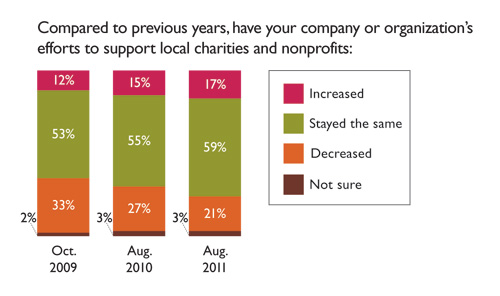 Oregon businesses’ support for nonprofits continues to grow modestly post recession. However, perceptions that charitable activities help an organization’s reputation have declined since then.