
Next: heat energy
Chemistry is like cooking. Except instead of tenderizing a pork roast with lime, spices and soy sauce, a chemist might mix up a batch of indium cobalt antimony, sink the concoction in copper oxide and then nuke the results in the microwave.
 Research editor Brandon Sawyer launches in this issue Data Dig, an occasional series that looks underneath the hood of various business and economic topics.
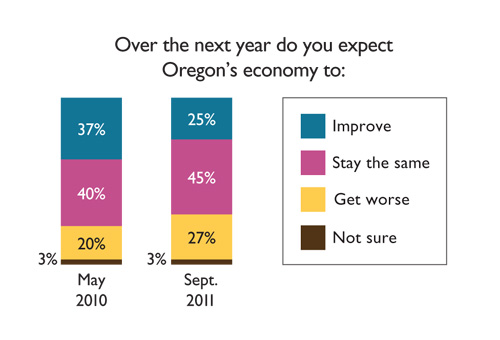 Our latest survey on business confidence shows that, like the nation, jobs are the No. 1 concern for Oregon business leaders.
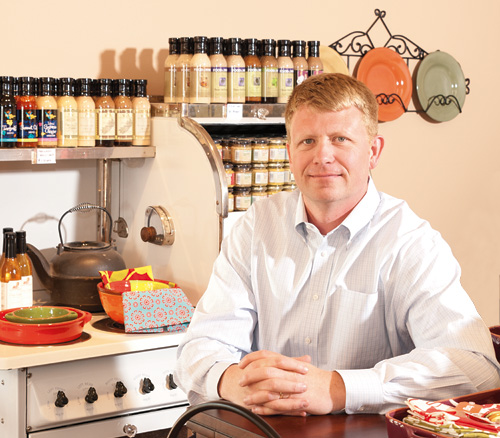 Chris Barhyte keeps a stack of unopened letters in his offices from would-be buyers of the family business. “I don’t even open them any more,” he says. “I’m just not interested in selling. I’d probably have to put on a suit.”
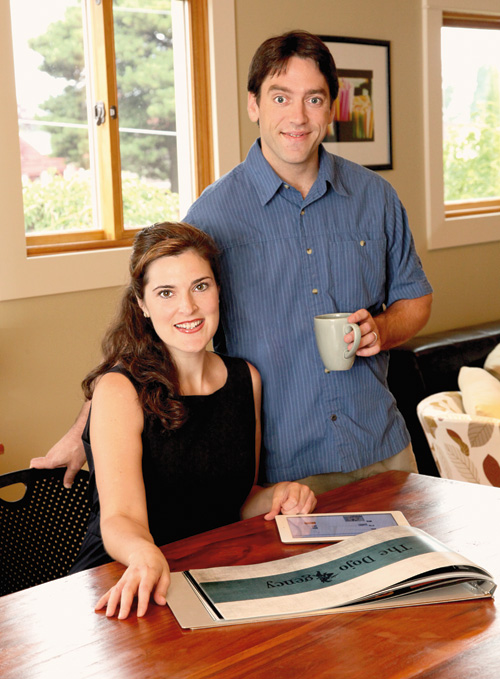 The wall-sized whiteboard inside Portland’s DoJo Agency is dotted with what have become the most important words in Portland’s ever-dynamic media ecosystem: Facebook. Twitter. LinkedIn. Maybe you’ve heard of them.
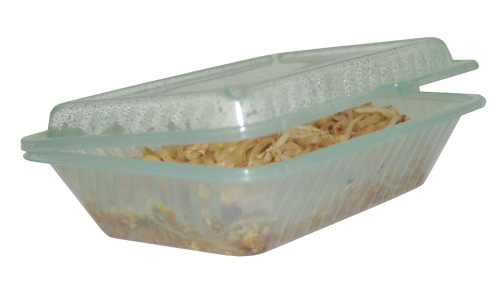 It takes a village to raise a business. That’s the attitude adopted by GO Box, a startup that aims to reduce waste generated by disposable food cart containers. The company, which launched this past summer, relies on a volunteer network of local shops and restaurants to help distribute its reusable food cart containers.
 At a time when the economies of many Oregon cities and towns are fragile and shrinking, Hood River is enjoying slow and steady growth.
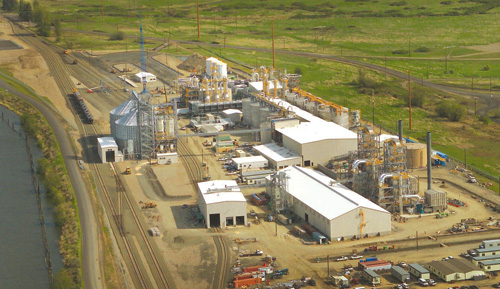 Seventy jobs may not seem like a lot. But to tiny Clatskanie (population: 1,710) in Columbia County, it’s 70 more people spending money locally who weren’t spending it before.
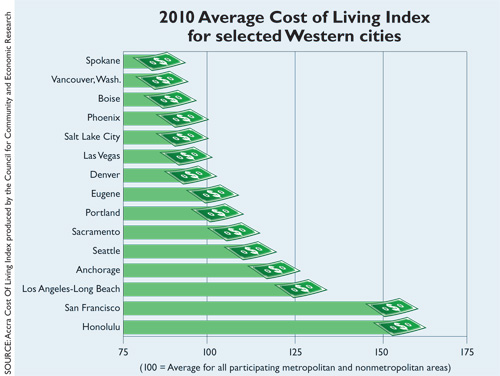 Oregonians face a harder challenge than most Americans in making ends meet.
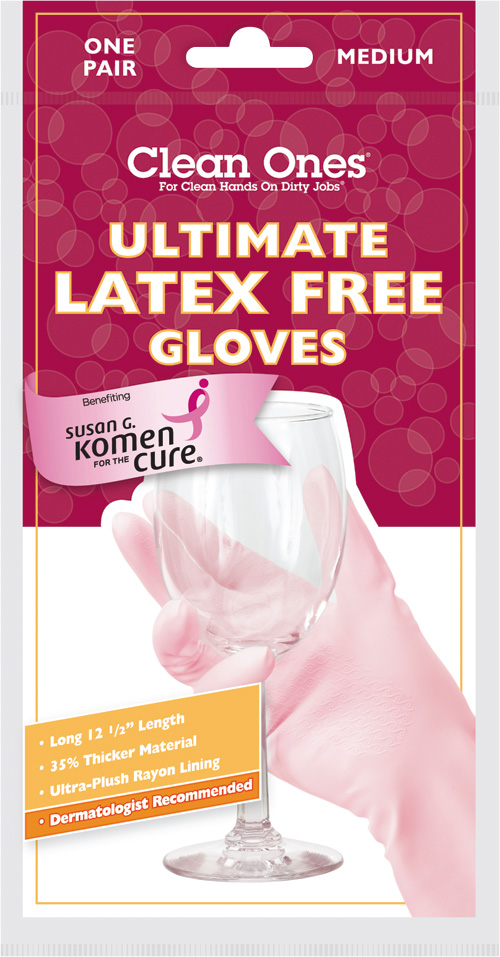 It’s pink, sleek, and form-fitting, the inside lined with a layer of rayon for extra comfort. It costs 30% more than similar products, but research says women will pay it for added comfort. And part of the sales of the $2.99 product will go to the Susan G. Komen Foundation for breast cancer research.