Sock It to Me’s success
 Carrie Atkinson was only 26 when she decided to start her own company. Now Sock It to Me is splitting at the seams.

 Oregon Business Team
 Carrie Atkinson was only 26 when she decided to start her own company. Now Sock It to Me is splitting at the seams.
 The aptly named environmental consultant Paul Fishman has enjoyed a long career at the intersection of the built environment and the natural world. His biggest projects have involved elaborate cleanups that balance the needs of industrial clients facing regulatory pressure and endangered fish in the Willamette River. None has been larger or more complex than his latest, the long-awaited cleanup of the Zidell property along the river between downtown and South Waterfront.
Landlords of Portland, rejoice. Although the city’s residential real estate market remains in the doldrums, the rental market is flourishing.
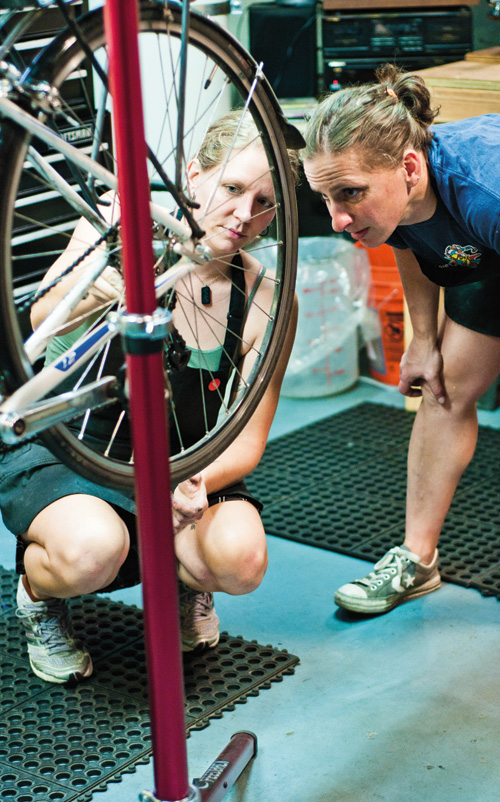 Every year, the Interbike trade show in Las Vegas sponsors a seminar about the female bike consumer. “It’s always the same material — how women have the buying power in the U.S.,” says Joan Martocello, a manager at Bike Gallery, a Portland bike store chain. “Then you go into bike shops and still see the girlie posters.” Even in cycle-friendly Portland, says Martocello, the male-dominated bike shop environment “is quite a bit intimidating for women.”
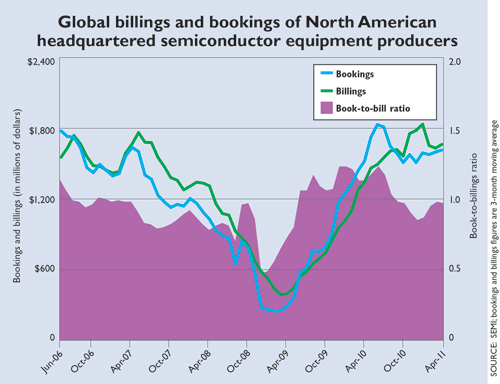 The global sales of North American semiconductor equipment producers have bounced back from their recessionary lows of mid-2009 to levels not seen since 2007.
A Canadian mining company is gathering permits and underground data in preparation for developing the first large-scale gold mine in Oregon in decades, as the price for gold hovers at $1,600 per ounce.
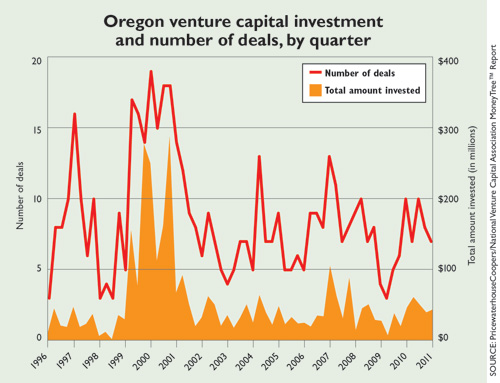 Venture capital investment in Oregon leaped 114.5% in 2010.
A loophole large enough to drive your truck through while jabbering on your cell phone has been nailed shut.
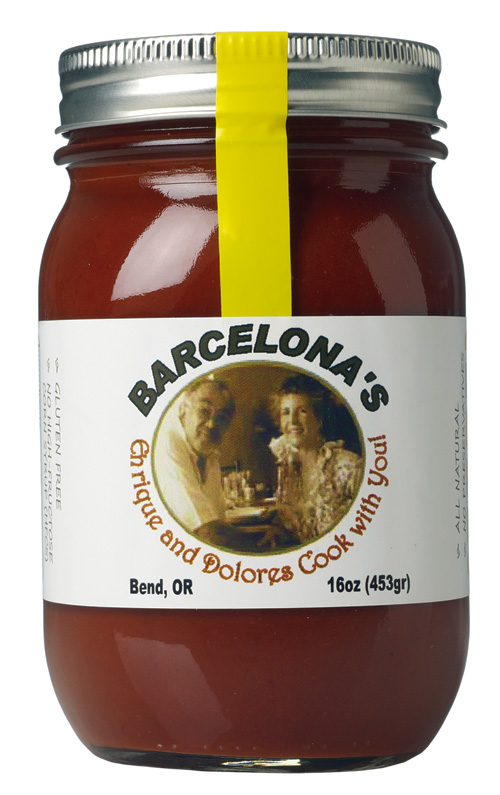 Whatever you do, don’t call Barcelona’s No. 1 Mole Poblano a chocolate sauce, says Roberto Riquelme, one of three partners at Barcelona Sauces, a year-old company based in Bend.
 Should budding entrepreneurs strike out on their own? Or is it more effective to pool resources with like-minded business owners? That was the dilemma facing the “micro mercantes” tamale vendors, a group of low-income Latinas who participate in a microenterprise program sponsored by Hacienda Community Development Corporation.