Oregon commodities rebound in 2010
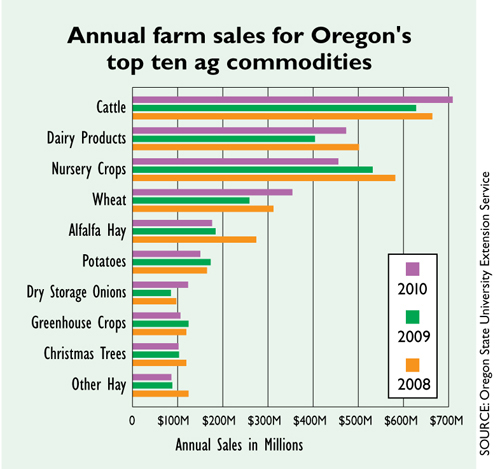 Only four of Oregon’s top 10 farm commodities increased value in 2010, yet overall state commodities increased 3.8% to $4.3 billion.


Only four of Oregon’s top 10 farm commodities increased value in 2010, yet overall state commodities increased 3.8% to $4.3 billion.
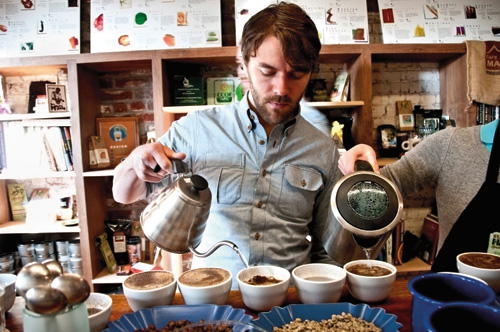 Raw coffee beans are getting more expensive. Whether or not the price you pay at the local café or grocery story for roasted beans or coffee has increased because of it depends largely on where you buy them.
The biggest deals of the month.
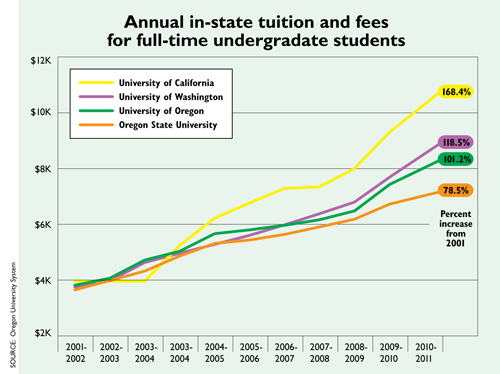 The state’s most expensive public university, University of Oregon (UO), raised tuition and fees for in-state undergrads more than 100% during the last 10 years, while the dominant science and engineering school, Oregon State University (OSU), raised them 80%.
 Jeff Katz and Noah Siegel have spent a lot of time in both Israel and Oregon, and they are of the opinion that the two places have more in common than one might imagine. Think renewable power, apparel design and specialty agriculture — not to mention Intel, which has been operating in Israel since 1974.
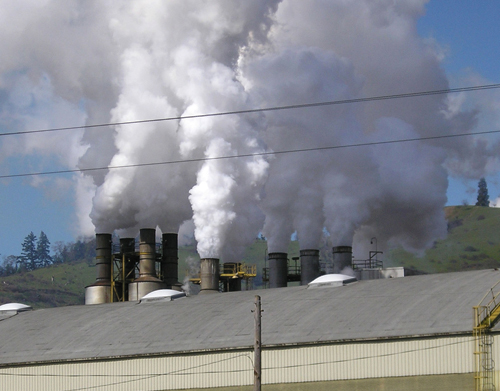 The growing pains of the federal Biomass Crop Assistance Program (BCAP) may be nearing an end, presenting an opportunity for those in Oregon’s biomass industry.
Oregon offers tax credits to e-commerce businesses, movie producers, rural physicians and homeowners who buy wood pellet stoves. But a proposal to attack stubbornly high unemployment rates by providing incentives to people who create new jobs is gaining little bipartisan support in Salem.
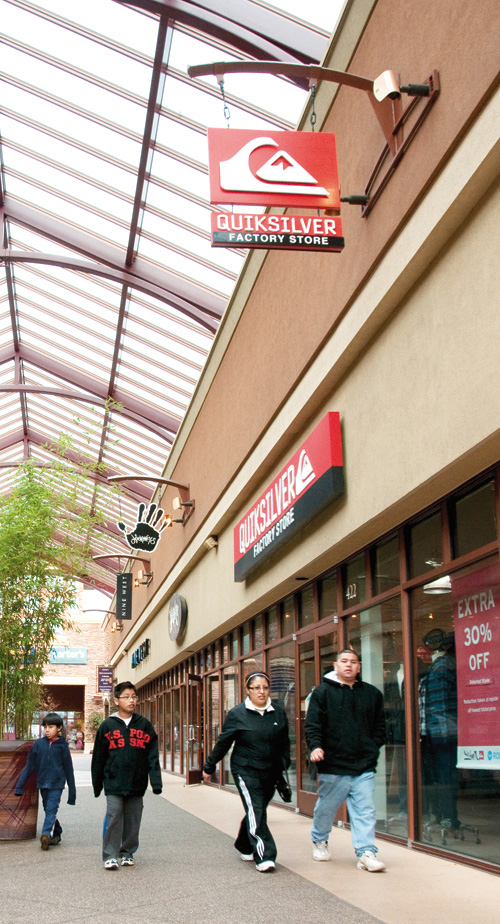 Retail outlet centers in the state continue to grow after strong sales numbers during the recession caught the attention of regional and national retailers.
A new food initiative by Multnomah County hopes to bring young farmers into an industry that is starved for youth.
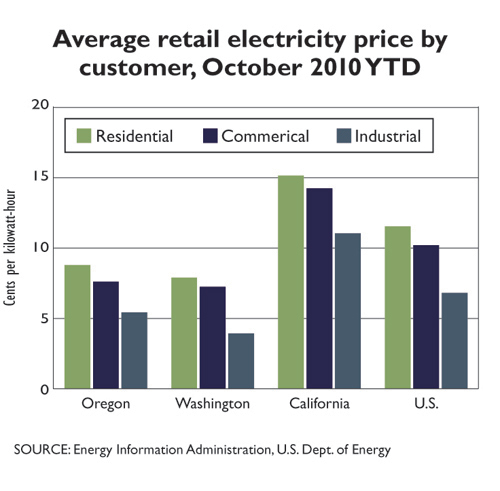 In 2010, power sold by PGE dipped for the second year in a row, down 1.4% to the same level as 2005.