Wind vs. water goes to court
Eight Northwest power companies have filed appeals challenging the Bonneville Power Administration’s controversial Environmental Redispatch Policy.


Eight Northwest power companies have filed appeals challenging the Bonneville Power Administration’s controversial Environmental Redispatch Policy.
Nobody, not even Steve Jobs, can say for sure whether Apple can still be Apple without him at the helm. There are three reasons that it might — and one big reason that it might not —according to David Pogue, the New York Times’ technology writer.
 We enter the fall with renewed worry over the economy, losing business optimism locally, nationally and globally.
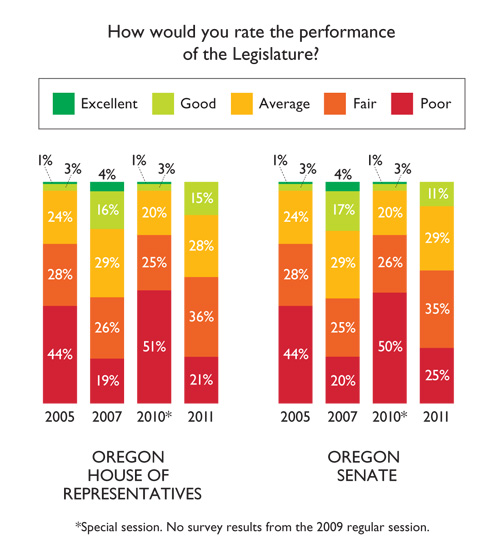 The mood remains gloomy for the 606 respondents in our survey this month. By a large majority, they say things are headed in the wrong direction, with the gap between the optimists and the pessimists widening since 2008.
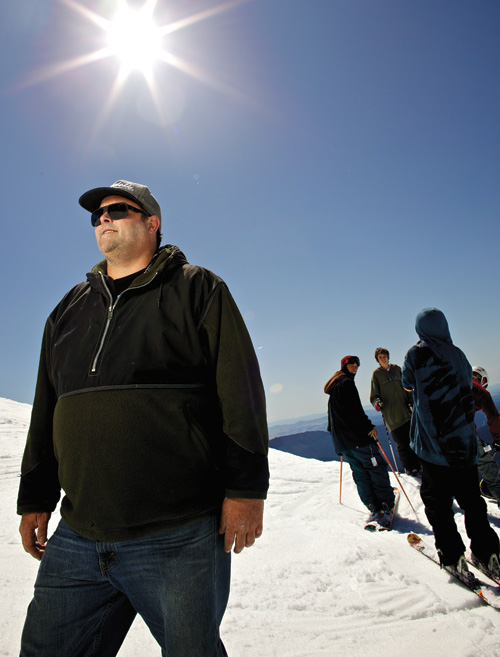 Tim Windell has built a growing action sports wonderland where champions train and wannabes have fun.
 The bridge leading into downtown Oregon City is closed for repairs, and the city’s largest employer, the Blue Heron paper mill, is history. So why are downtown boosters here so optimistic?
 Pendleton Woolen Mills launches its Portland Collection in September. The Oregon business is steeped in tradition and rich in heritage but for decades their clothes missed the mark with fashion-conscious consumers.
Portland’s upcoming ban on single-use plastic bags, which goes into effect in October, is one sign cities — and consumers — are moving away from petroleum-based plastic bags and food packaging. Growth in Oregon’s “biobased” food packaging industry — companies that use plant-based starches to manufacture bags, food containers, and tableware — is another.
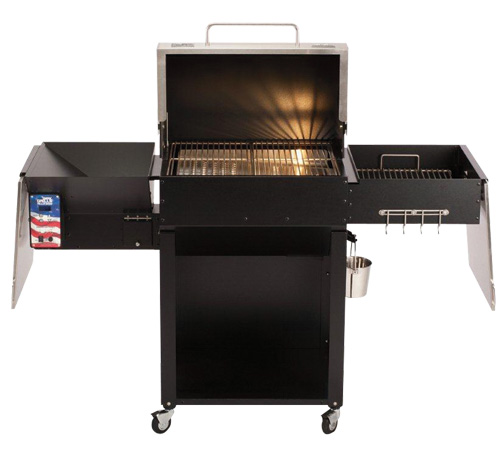 Bob and Kerrie Tucker expanded their precision metal shop, MAK Metals, from 6,000 to 30,000 square feet as the recession spread in 2008. They launched their first consumer product, MAK grills, in July 2009. Next they had to convince people to spend $2,000 on a barbecue in a terrible economy. It worked.
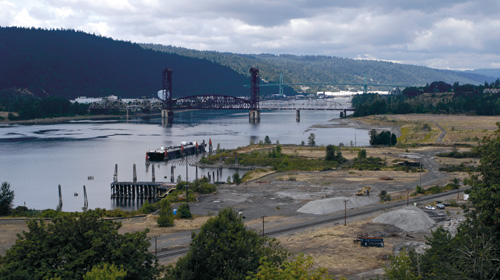 Environmental officials are quick to assert that Oregon’s most expensive publicly funded cleanup is not failing from an environmental perspective. But from a real estate perspective, the $55 million cleanup of the former McCormick & Baxter creosote factory in North Portland has created complications.