
Direct contracting allows all types of customization that can cut costs for the insured, while still making service providers happy.
Health insurance plans aren’t black and white, but instead they come in many varieties to serve a range of needs. When it comes time to figure out what’s right for your business, you might start pulling your hair out at all the possibilities. One way to make some sense of it all is to work with a professional broker who can walk you through all your options, take a long look at your company’s numbers and advise you on the right plan for your long-term goals.
That’s just what the benefits team at Marsh McLennan Agency (MMA) does with every client. They bring new possibilities to light for clients and offer ways that companies can save money, boost their employees’ health and offer ways to keep everyone happy. One of the best ways to do this is through direct contracted plans.
The Main Types of Insurance Plans
- Fully insured plans are where a business pays a premium to a carrier. That premium pays the carrier to assume the entire risk for the covered employees, process their claims and pay the bills to a provider, like a hospital.
- Self-funded plans involve a business assuming the risk of insuring their employees, and frequently the business pays a third-party administrator (or TPA) to administer the plan, which includes processing claims and paying bills. Self-funded plans often involve more customization of services via the TPA to reflect the specific needs of the insured groups, from service locations and times to types and the prices of specific services.
- Direct contracted plans involve the broker coming to the table with the business owner (or a group of representatives from the business) and negotiating directly with the service provider, usually a hospital. These negotiations might take place year-round, and use data-driven analytics from past years of company health history to make informed decisions on what health needs the employees might have in the future.
The Issues of Transparency and Negotiation
Most anyone with a healthcare plan knows that it’s hard to estimate what a given cost will be for even the simplest of medical transactions. From knee surgery to having a baby, the final bill can be quite a surprise. Each hospital and medical provider can charge vastly different amounts for the same services, depending on the plan. Even providers are often mystified by the lack of transparency in costs, not knowing the price tag that accompanies any treatments or procedures they recommend.
Direct Contracting Makes It Clear
Not only are medical prices negotiated frequently, they’re done with an emphasis on fair and reasonable costs to the insured.
In my experience, clients who sit at the table for direct contracting negotiations just want a fair price and a clear understanding of what they’re getting in return. Those negotiations with hospitals are extraordinarily transparent in an age when we’re used to the costs being proprietary information between a carrier and a service provider.

Negotiating for the Best Deal for Everyone, All the Time
At the end of the day, direct contracting allows all types of customization that can cut costs for the insured, while still making service providers happy.
The key is for brokers to make sure that prices are cost-effective for the hospital but also that there is a high quality of care for the patients and that the hospital can live up to a high standard with quality metrics.
Engaged brokers like MMA’s team bring many options to the table to negotiate a great deal for their clients, like cutting costs with bundled payments, wellness incentives, a partnership with the provider to improve the health of the community, additional outreach and negotiated services as a result of increased public awareness.
For example: You might look at a population that has not been great at getting regular mammograms and cancer screenings. You would then plan an outreach and education program to raise awareness and at the same time negotiate a price break on services once more of the insured take advantage of that preventative care. You in turn are able to catch cancer earlier, improve recovery and treatment numbers and improve the community’s awareness of the importance of taking care of their own health.
For direct contracted plans, this type of research, negotiation and plan of action takes place not once a year, but often throughout the year, to ensure that nobody takes their eyes off the ball. Direct contracting allows employers to take control of their insurance plans at a very important level. Not only can they be in on the conversations and negotiations with providers, but they also have an engaged stake in their employees’ health as well.
Wondering if direct contracting is right for you? Looking to compare health plans? Start a conversation with one of our agents today.
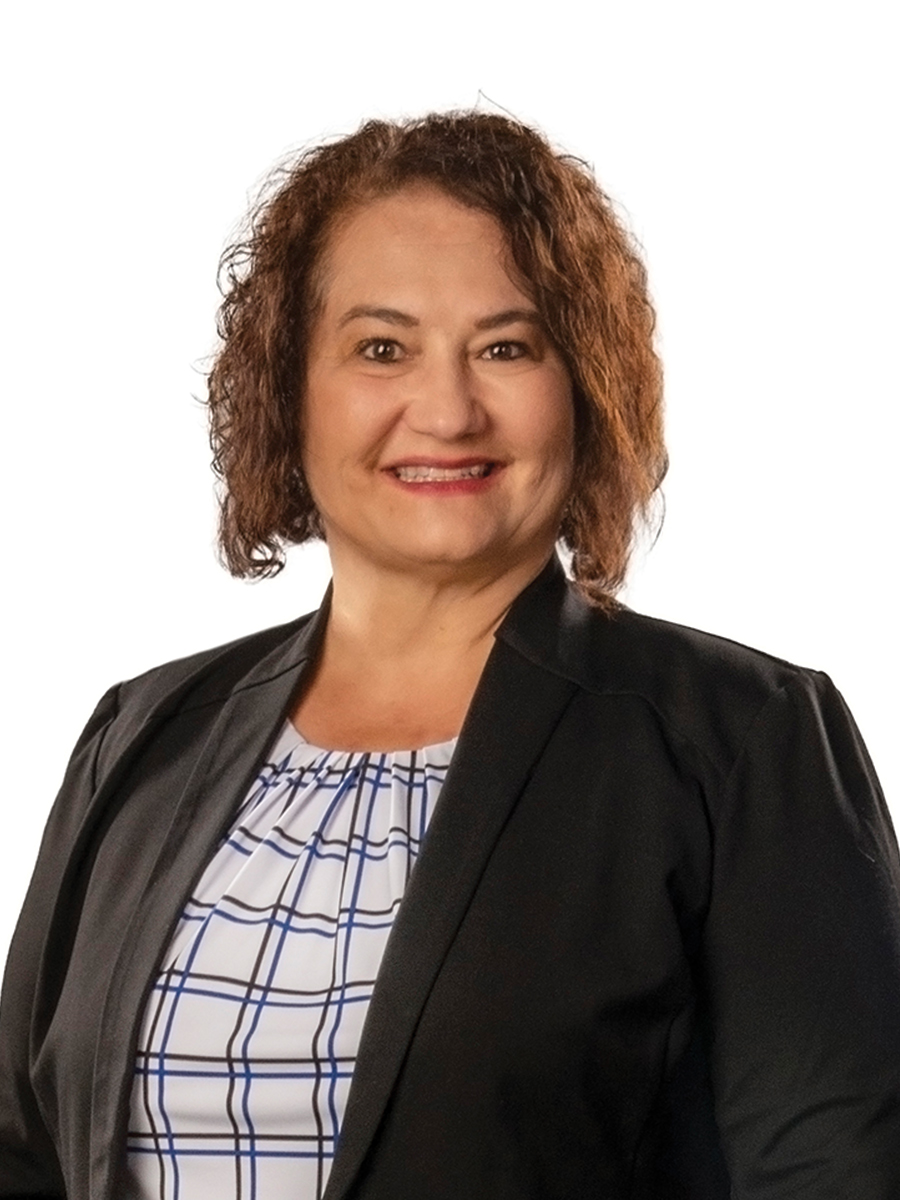
Lori Fearon is an Employee Benefits specialist dedicated to improving healthcare quality, outcomes, and cost-efficiency for organizations through strategic design and financial analysis of group insurance programs. She is a Certified Advisor with Health Rosetta, licensed in multiple insurance lines, and a former president of the Helena chapter of the National Association of Insurance and Financial Advisors. Lori’s expertise spans fully insured and self-funded group health, life, disability, and dental insurance planning.