The 2025 Time100 Climate list recognizes the 100 most innovative leaders from around the world who are driving business to real climate action.
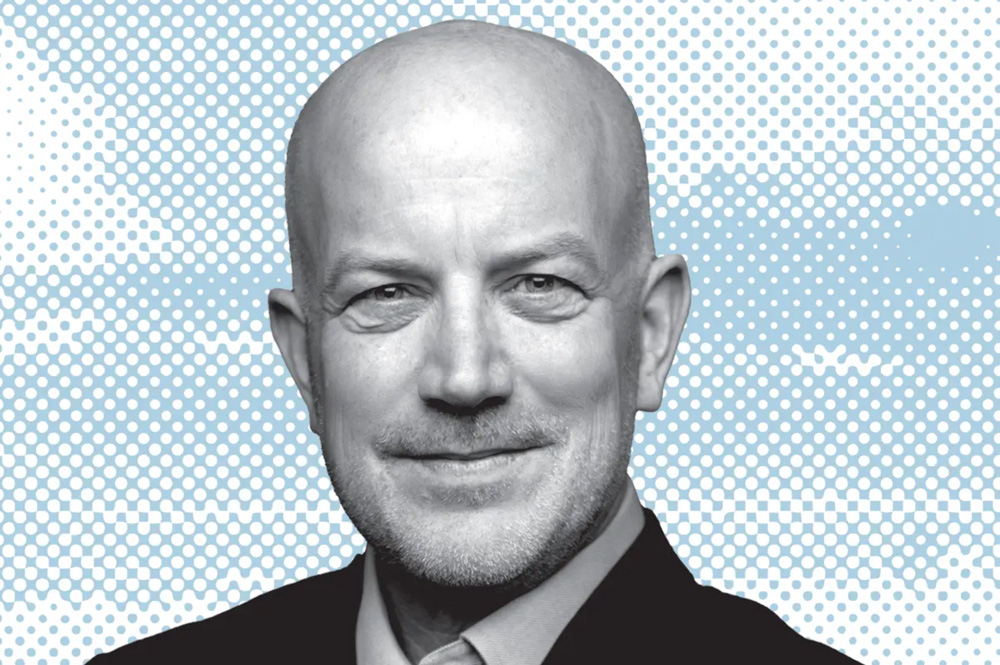
Curtis Robinhold is the Executive Director of the Port of Portland in Oregon, overseeing a team in charge of updating the infrastructure of the Portland International Airport through the PDXNext project, a $2 billion investment to build a more climate-friendly, energy efficient terminal with sustainably sourced designs scheduled to be completed early 2026. A highlight from the project features the world’s largest mass timber frame made from locally sourced timber. Altogether, the modernization designs will help the airport increase capacity, withstand magnitude 9.0 earthquakes, and lower the facility’s energy footprint.
What is the single most important action you think the public, or a specific company or government, needs to take in the next year to advance the climate agenda?
I run a Port authority that includes Portland International Airport (PDX). For airports worldwide, a top priority is scaling up sustainable aviation fuel (SAF) for all aircrafts. SAF has the potential to dramatically reduce carbon emissions by up to 80% per lifecycle compared to traditional jet fuels. As one of the busiest airports on the West Coast, PDX is committed to leading this transition in cooperation with the international airports in Seattle and Vancouver, BC, who we have a joint decarbonization agreement with. By implementing SAF, we can significantly decrease our airport operation’s carbon footprint and set an example for global aviation. This shift not only supports our local and global climate goals but also encourages airlines to adopt greener practices. The widespread adoption of SAF would be a game-changer, reducing the aviation industry’s overall impact on climate change and fostering a more sustainable future for air travel.
What’s one sustainability effort you personally will try to adopt in the next year?
Portland, Oregon, has a world-renowned food scene—from our fresh seafood and fruit to our revered chefs and wine, I truly live in foodie heaven. Now, my family and I are committing to using our unrivaled options to land on a more climate-friendly diet. This means reducing the number of meat-centric meals I eat in a week, seeking out locally grown products to minimize transportation, and prioritizing organic and sustainable farming practices. Supporting local farmers not only reduces the environmental impact of transporting food over long distances, but it also strengthens our local economy. Adopting these practices allows us to make a meaningful contribution to the fight against climate change, one meal at a time.

What is a climate solution that isn’t getting the attention or funding it deserves?
I live in the American West, and for my community the clear climate crisis that urgently needs attention is the rise of increasingly devastating wildfires and the dangerous smoke they produce. The deadly 2020 Labor Day Fires in Oregon ripped through more than a million acres, burning several towns to the ground. That same year in neighboring California, the state emitted more greenhouse gases in just one year than it had previously eliminated through 18 years of carbon-reduction efforts—effectively erasing nearly two decades of progress. Yet, despite their scale and impact, emissions from wildfires are often excluded from official inventories. Wildfire smoke is also emerging as the deadliest climate-related health threat in the U.S.
It is impossible to overstate the personal and economic toll these fires are taking across the West, and our leaders must meet the moment. That means seriously prioritizing wildfire mitigation, forest resilience, smoke mitigation, and emissions accounting. Investing in these wildfire reduction efforts is not optional—it is essential in our fight against climate change.
What gives you hope about the future of the planet?
Local innovations fueling creative climate solutions. This was the Port of Portland’s North Star as we united the talents of people from across the Pacific Northwest to build PDX’s new state-of-the-art terminal. Together, we are doubling the airport’s size, yet cutting our energy use in half by using the latest in local, sustainably sourced designs and upgrades. Bringing transformative projects like this to life shows the world that smart business and efficient infrastructure go hand-in-hand with supporting local economies and healthy environments.