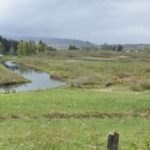

The $2B NXTClean Fuels facility has several regulatory hurdles to clear before construction can begin in 2025.
A controversial proposed energy facility in the Columbia River Estuary continues to check boxes on its way to breaking ground, and opponents remain committed to stopping it.
The Oregon Department of Environmental Quality held a public hearing Oct. 8 on the proposed NXTClean Fuels Port Westward facility’s pending 401 water quality certification. It stopped accepting written comment Friday.
Members of the public at the Oct. 8 meeting sought clarification on the timing of the project, planned operations and seismic stability.
Columbia County mint farmer Mike Seeley asked why the state hadn’t done more to engage with landowners near the refinery.
“You’re woefully not understanding how a drainage district operates and what needs to happen,” he said.
“We are concerned that DEQ is rushing this process for making a decision regarding a major new refinery yard in the midst of a farming community that could not survive in the midst of such an impact.”
Not all who spoke opposed the project. Supporters included Clatskanie resident Megan Evenson, a member of the Clatskanie School Board.
“It is time the NEXT project finally moves forward. The Clatskanie School Board urges you to approve the Water Quality Certification permit without delay,” she said. “NXT has designed a world class clean fuels facility that protects our local water and creates a wetland mitigation site that is beneficial to the local environment as well as to our school district through funding and partnerships for new educational curriculums.”
The $2 billion project, formerly known as NEXT Renewable Fuels, is scheduled to begin construction in 2025 though NXT officials have several remaining regulatory hurdles to clear, including a federal facility permit, several state stormwater discharge permits and an environmental assessment by the Army Corps of Engineers that accounts for environmental impacts. Opponents are also challenging the project at the Oregon Land Use Board of Appeals for its proposed 400-car railyard.
NXTClean Fuels will also need to apply for two stormwater discharge permits, which it must obtain for the project to move forward. NEXT needs to apply for a construction stormwater discharge general permit, which regulates how stormwater is managed during construction of the facility. NEXT must also apply for an industrial stormwater discharge general permit, which regulates how the facility manages its stormwater while operating.
In September, , The Oregonian reported that project backers received an air quality permit after the DEQ determined the project would not have a significant impact on air quality or be a major source of regulated pollutants. The agency had rejected NXTClean’s two previous applications for an air quality permit.

Environmental groups like Columbia Riverkeeper have opposed the NXT project for its expected contribution to greenhouse gas emissions and warn of risks downstream and downwind. They further say DEQ’s assessments have downplayed those risks. The facility would also consume large amounts of greenhouse gas. Other concerns include building the facility on liquefiable soil, a 400-foot flare stack, flood risk and the potential risk to fish.
Oregon Business reported in March the group had paid a significantly reduced rent two months prior to formally requesting the reduction. Opponents like Columbia Riverkeeper said at the time the arrangement raised questions about NXT’s commitment to Columbia County and the project’s long-term viability.
According to the Environmental Protection Agency, the transportation sector is one of the largest contributors of human-caused greenhouse gases, just ahead of electricity and industry. It’s also one of the areas where it’s hardest to achieve reductions.
NXT Clean Fuels proposes to build a renewable diesel and sustainable aviation fuel manufacturing facility that will receive and process various organic waste materials in the Port Westward industrial park near Clatskanie. The facility is designed to produce a maximum of 50,000 barrels of clean fuel per day. The products will be shipped offsite via pipeline, truck and rail.
“Sustainable” fuel is derived from products like cooking oil, fish grease and animal fat and is said to work just like its petroleum-based equivalents, according to the DEQ.
The project would provide 240 permanent jobs as well as 3,500 temporary construction positions, and produce more than $45 million in tax revenue, according to NXTClean.
The project is reminiscent of Jordan Cove, a liquefied natural gas export terminal planned for Coos Bay and first proposed in 2010 by Canadian energy company Pembina. Outcry from activists, businesses, landowners and tribal groups ultimately caused developers to scrap the project in 2021.
Click here to subscribe to Oregon Business.