
Outside the box
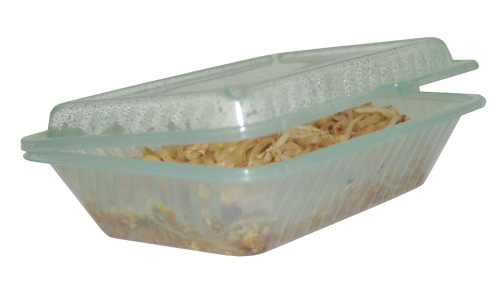 It takes a village to raise a business. That’s the attitude adopted by GO Box, a startup that aims to reduce waste generated by disposable food cart containers. The company, which launched this past summer, relies on a volunteer network of local shops and restaurants to help distribute its reusable food cart containers.
 At a time when the economies of many Oregon cities and towns are fragile and shrinking, Hood River is enjoying slow and steady growth.
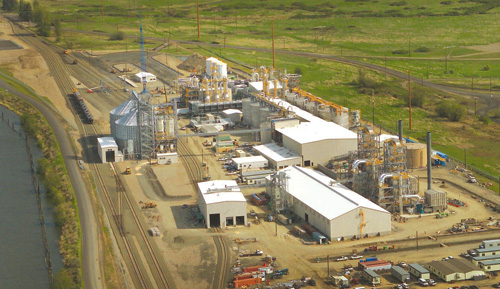 Seventy jobs may not seem like a lot. But to tiny Clatskanie (population: 1,710) in Columbia County, it’s 70 more people spending money locally who weren’t spending it before.
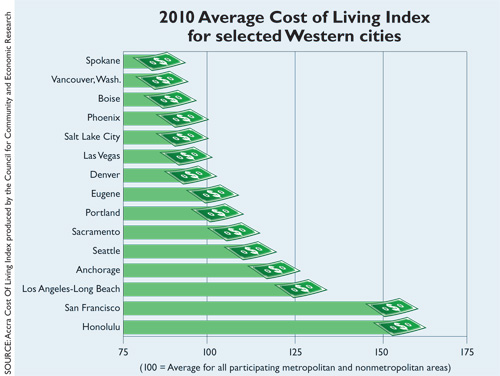 Oregonians face a harder challenge than most Americans in making ends meet.
 It’s pink, sleek, and form-fitting, the inside lined with a layer of rayon for extra comfort. It costs 30% more than similar products, but research says women will pay it for added comfort. And part of the sales of the $2.99 product will go to the Susan G. Komen Foundation for breast cancer research.
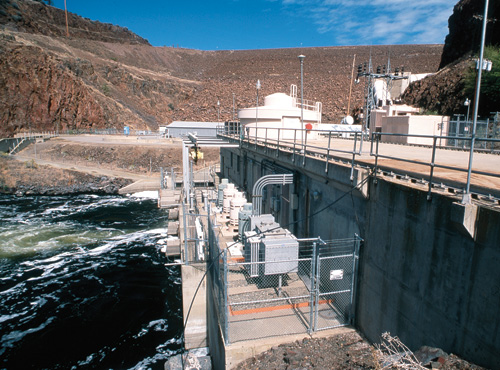 When the Klamath Restoration Agreements were signed in February 2010, the documents were hailed as a historic solution to decades of conflicts over water rights and environmental management in the Klamath Basin. Almost two years later, many stakeholders are still waiting to move forward with projects connected to the agreements, which include both the Klamath Basin Restoration Agreement and the Klamath Hydroelectric Settlement Agreement. At issue is whether legislators will authorize the agreements and allocate the $500 million for implementation.
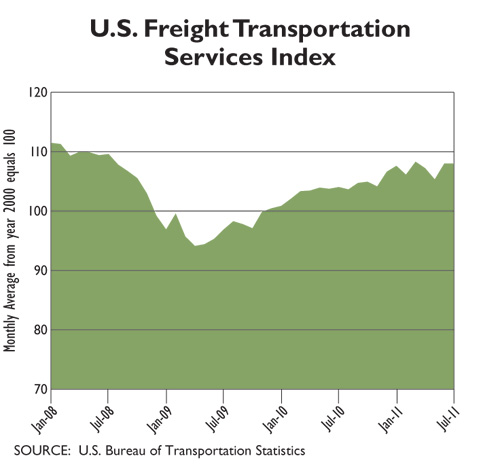 State tax receipts collected from truckers jumped 25.3% August year-to-date.
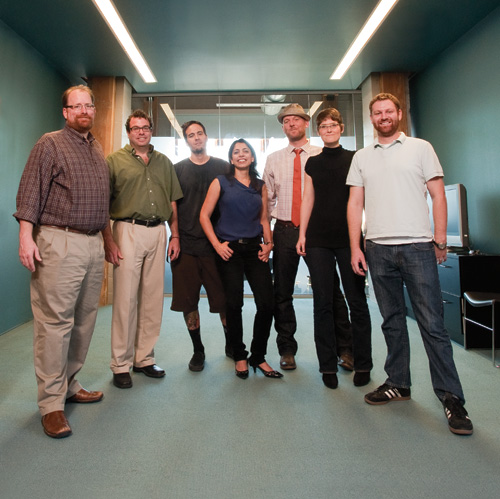 The Portland Seed Fund turns the startup launch into a team sport, with the goal of doing a lot with a little.