

Brand Story – The state’s polytechnic university is thriving along with its students and graduates.
There may be no better way to paint a picture of Oregon Institute of Technology’s ongoing rise than with numbers.
Sure, you could say that Oregon’s official polytechnic university — meaning its focus is on hands-on, applied education — offers a wide range of degrees and programs for students and that it’s gained national attention in recent years. But in really sizing up Oregon Tech, the numbers don’t lie.
For starters, the 2024-25 freshman class is Oregon Tech’s largest in 40 years, up more than 22% over last year. That’s a continuation of a track that Oregon Tech has been on over the past few years. In 2021, the freshman class was up 11% over the prior year, and first-year enrollment was up another 4.5% in 2022.
Total enrollment this school year hit 5,302, an increase of nearly 4% from 2023.
Nagi Naganathan, President of Oregon Tech, attributes a good portion of the college’s success to its focus on strategic growth and ensuring that students can thrive.

“Oregon Tech proudly welcomes a record-breaking freshmen class this year, emphasizing our commitment to strategic growth and student success,” he says. “With a focus on strengthening retention efforts and supporting a diverse student body, our mission as a world-class polytechnic university continues to be a laser-focus on our students’ success.”
Another key piece of the first-year enrollment growth puzzle were initiatives focused on recruitment strategies, collaboration between faculty, staff and students and making sure communication with prospective students was crystal clear. The college’s popular dual credit program, which allows high school students to earn college credit, has also been successful, growing by close to 8% this year.
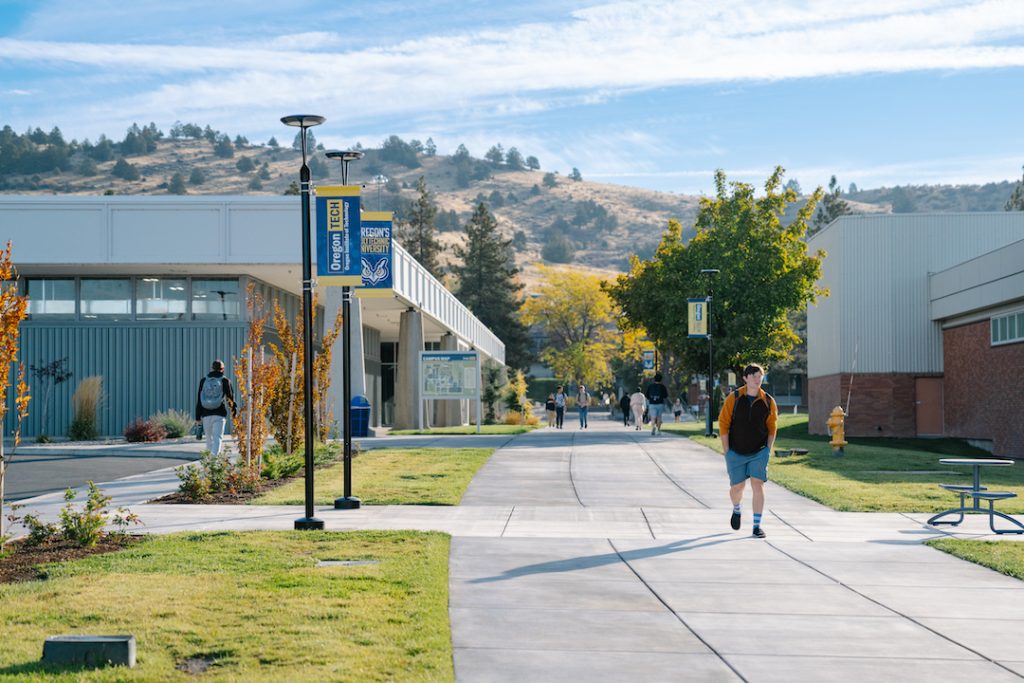
Greg Stringer, Oregon Tech’s associate vice provost of Strategic Enrollment Management (SEM), says the college’s ability to navigate the troubled waters of last year’s financial aid environment — a revamp of the Free Application for Federal Student Aid went sideways, knocking colleges and students nationwide off track by months — has also helped Oregon Tech shine. The college was proactive in offering support to students and adapted to both administrative challenges and student needs.
“Our goal in SEM is to share the opportunities and community at Oregon Tech,” Stringer says. “The Office of Admissions put in great efforts, and our financial aid team showed quick adaptability to address nationwide FAFSA challenges, helping applicants navigate the application and enrollment process.”
Beyond the enrollment gains, other numbers add insight to Oregon Tech’s ongoing elevation as well. The college, initially founded in 1947 to help World War II veterans gain education and training to join the civilian workforce, now offers almost 50 bachelor’s and master’s degree programs, as well as one doctorate. Areas of specialty include engineering, technology, health care, business, communications and applied sciences. Oregon Tech has three Oregon locations — one in Klamath Falls, one just south of Portland in Wilsonville and one in partnership with Chemeketa Community College in Salem — and it offers programs online and in a unique industry partnership with Boeing in Seattle.
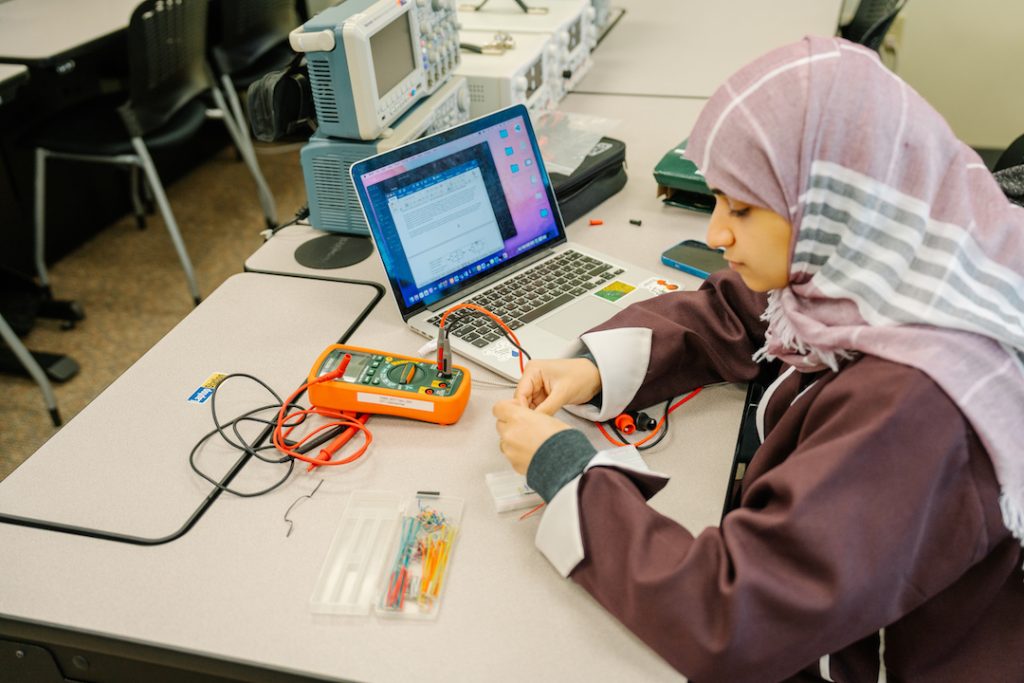
Oregon Tech has earned some impressive numerical nods from elsewhere as well. In its “Best Colleges 2025” rankings, U.S. News and World Report ranked Oregon Tech its No. 2 top public college in the West and the fourth-best among Western regional colleges. Oregon Tech graduates also earn a median starting salary of $61,000 a year, among the highest in Oregon.
Naganathan says Oregon Tech’s commitment to student success and hands-on, project-based learning helps the university earn such accolades and esteem. Its partnerships with regional businesses, who provide students with professional opportunities through internships, externships and field experiences, also make Oregon Tech stand out.
“Our partnerships with industry provide students with real-world experience that is crucial in advancing innovation, scholarship and applied research,” he says. “By graduating with practical skills and beginning their careers with an average starting salary of $61,000, our students can achieve significant upward mobility and a strong return on their educational investment.”
Naganathan looks forward to Oregon Tech’s continued success and expansion.
“In the upcoming year, Oregon Tech will continue to enhance academic and quality of life support for our students so they can continue to be successful,” Naganathan says. “We are proud to be a university that assures a very high return on investment for students and families.”
Brand stories are paid content articles that allow Oregon Business advertisers to share news about their organizations and engage with readers on business and public policy issues. The stories are produced in house by the Oregon Business marketing department. For more information, contact associate publisher Courtney Kutzman.