
Though women are not working as much, they are working more. This paradox was highlighted in a recent report by the state’s employment department that tracked female employment numbers from the 1970s.
BY PETER BELAND
Though women are not working as much, they are working more. This paradox was highlighted in a recent report by the state’s employment department that tracked female employment numbers from the 1970s with a focus on the past decade and all of its economic fluctuations. The number of Oregon women in the workplace, though still less than men, has increased steadily in the past 40 years. And because the recession hit traditionally male-centric industries, there are less unemployed women workers in the state.
According to the Oregon Labor Market Information System report, the percentage of Oregon women in the workplace has gone from 48% in 1975 to nearly 61% in 2010. “There has been a lot of discussion among scholarly people about this trend,” says OLMIS Workforce Analyst Shawna Sykes.” There’s birth control and the availability of it, a large increase of women pursuing higher ed, and the acceptance of divorce in our society. It’s OK for women to work outside the home and have an identity.”
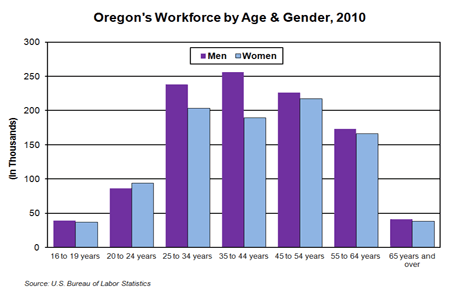
In 2010, the unemployment rate for men was 12.3%; for women it was 9.7%. “The industries that were affected most by the recession were ones with traditionally more men in them; manufacturing and construction were hit hard,” says Sykes.
Though less unemployed as a whole in 2010, the number of unemployed women in the 55 to 64 age bracket more than tripled between 2000 and 2010. “We have more people that are working longer than they have in the past because of the economy and investments that have failed,” says Sykes. “Baby boomers don’t really accept that they are part of the retirement community.”
Still, there are more men in the workplace and they hold more senior positions. That said, there is a growing trend of women taking lead roles in start up tech companies, and if higher education rates are an indication of anything, the sheer number of motivated, educated women will tip the balance. According to Sykes, the percentage of Oregon women with a higher degree more than tripled from 8.2% in 1970 to 28.6% in 2009. Men, on the other hand, went from 14.1% to 29.7% in that same time period. In the 18-34 year old category, women exceed men in higher ed numbers, from associates degrees to doctorates.
Peter Beland is a contributing writer to Oregon Business.